
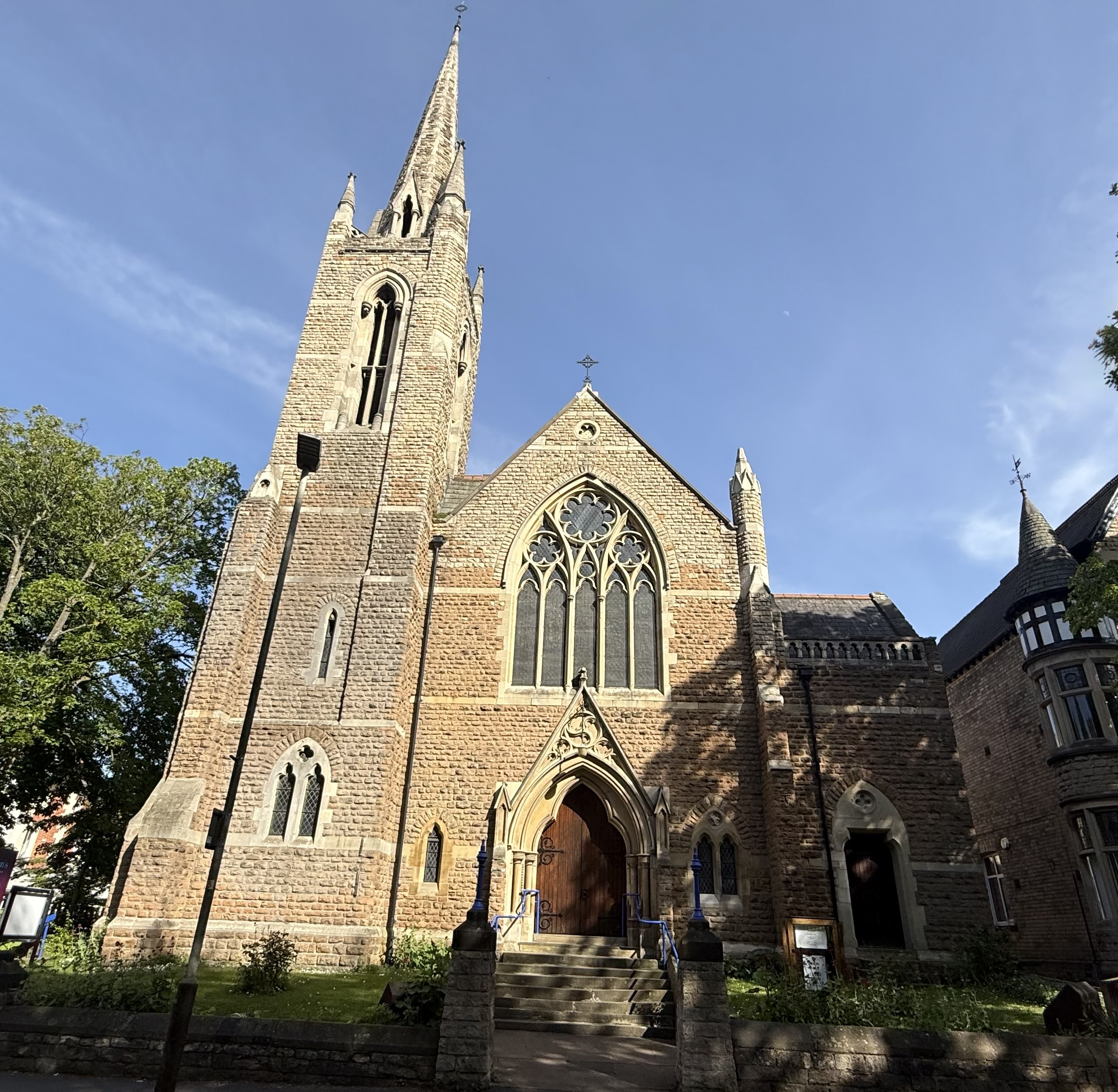
Moving to the UK to lead a faith community is a profound calling, but navigating the legal pathways can feel like a daunting mission of its own. For religious organisations and international faith leaders alike, securing a T2 Minister of Religion visa UK requires a flawless understanding of Home Office evidentiary standards. This comprehensive guide breaks down the eligibility criteria, financial commitments, and strategic legal steps necessary to ensure a successful application.
What Is the T2 Minister of Religion Visa?
The T2 Minister of Religion visa is specifically designed for individuals who have been offered a key religious role within a UK faith community. It is not limited to one specific faith or tradition; rather, it covers a broad spectrum of vital spiritual and pastoral duties, including:
- Ministers of Religion: Individuals holding a formal leadership role within their faith (e.g., Pastors, Imams, Rabbis, or Priests) who bear core responsibility for leading worship, performing rites, and guiding the spiritual direction of the congregation.
- Missionaries: Overseas workers sent by an international religious organisation to conduct outreach, structural church planting, or institutional promotion of the faith.
- Members of Religious Orders: Individuals whose lives are structured within a dedicated community, such as monks, nuns, or similar monastic orders, living set apart from secular society.
- Religious Instructors & Pastoral Workers: Dedicated professionals focusing on spiritual teaching, community care, theological education, and the day-to-day welfare of the congregation.
Settlement Path and Family Unity
Unlike temporary immigration routes, the T2 Minister of Religion visa is specifically structured for long-term commitment, granting an initial stay of up to 3 years and 1 month with the flexibility to extend. Crucially, this route offers a direct, continuous pathway to Indefinite Leave to Remain (ILR) after five years of residency, which can eventually lead to full British Citizenship. To support faith leaders in building a stable family life in the UK throughout this journey, the visa also legally entitles holders to bring their eligible dependents, including their spouse and children under the age of 18.
The Big Picture: This route is designed for long-term commitment. Unlike temporary routes, it allows you to bring your eligible dependents, such as your spouse and children, to build a life with you in the UK.
Key Eligibility Criteria: Scoring the Required 70 Points
The Home Office operates this skiller worker T2 route under a strict points-based system. To qualify, applicants must score a total of 70 points by meeting explicit baseline requirements:
| Criterion | Point Allocation | Mandatory Requirement |
| Certificate of Sponsorship (CoS) | 50 Points | Assigned by an A-rated licensed sponsor confirming a genuine vacancy. |
| English Language Proficiency | 10 Points | Level B2 on the CEFR scale across all four language skills. |
| Maintenance Funds | 10 Points | Explicit proof of personal savings or sponsor certification. |
- The Role of the A-Rated Sponsor:Your inviting UK organization must hold a valid, active Sponsor Licence from the Home Office. Crucially, the sponsor must be rated A-Grade on the official register of sponsors to issue a valid Certificate of Sponsorship (CoS).
- The Certificate of Sponsorship (CoS) Mechanics:The coS is a digital reference number from the Home Office, not a physical document. It includes your job title, pastoral duties, pay details, and confirms the job can’t be filled locally. A CoS is time-sensitive and expires three months after issuance if not used in a visa application.
- Strict English Language Mandate (CEFR Level B2):Many UK work visas only require a basic B1 proficiency, but the T2 Minister of Religion route demands a higher standard. Applicants must demonstrate their ability to speak, read, write, and understand English at least to CEFR Level B2, which is equivalent to an IELTS score of 5.5 in each of the four components. The Secure English Language Test (SELT) must be taken at a Home Office-approved test centre. Exemptions are usually granted only if you possess a degree taught in English validated by Ecctis as equivalent to a UK Bachelor’s degree or if you are a national of a majority English-speaking country recognized by the Home Office.
- Medical Clearance (Tuberculosis Test): If you are applying from a country on the Home Office’s mandatory testing schedule, you must provide a valid, clear TB test certificate from an approved clinic. Failing to secure this before submitting your online form triggers an automatic, unappealable rejection.
- Maintenance Funds : Your sponsor certifies your maintenance; you must demonstrate possession of at least £1,270 in personal savings. Your bank balance must never fall below this amount from Day 1 through Day 28 until the application is filed.
A common mistake is failing the 28-Day Rule: your bank statements need to show that the full £1,270 remained untouched for a continuous 28-day period before applying. If your balance dips to £1,269 on any day during this time, the Home Office will refuse your application. However, if your sponsor is rated A and ticks the “sponsor certifies maintenance” box on your CoS, you are not required to show personal savings, as they confirm they will support you with £1,270 during your first month.
Financial Requirements & Associated Fees (2026 Updated)
Relocating your ministry requires careful financial planning. To prevent visa refusals due to technical errors, sponsors and applicants must prepare exact costs. Application fees include a main applicant fee of £769 to £819 (inside or outside UK) and the Immigration Health Surcharge (IHS), at £1,035 per adult and £776 per child annually. The IHS must be paid upfront for the visa duration. For a three-year visa, an adult pays £3,105 at submission to access the NHS. Fees update yearly; check the official website for the latest info.
If an international faith leader applies from outside the UK for a standard 3-year visa alongside their spouse, the total upfront Home Office fee is £7,848.Here is exactly how that total is broken down:
- Visa Application Fees: £1,638 (£819 for the minister + £819 for the spouse)
- Immigration Health Surcharge (IHS): £6,210 (£1,035 per adult, per year, multiplied by 3 years for both individuals)
⚠️ Note: This full total of £7,848 must be paid upfront online at the exact moment you submit the visa application.
Rights, Restrictions, and Supplementary Work
The T2 visa provides significant flexibility for faith leaders wishing to fully integrate into UK society, while maintaining certain restrictions. Holders must work full-time in the specific role specified on their Certificate of Sponsorship (CoS) for their designated sponsor.
They are also allowed to undertake additional employment or volunteering outside their primary role, as long as it does not exceed 20 hours per week. This supplementary work must be either in the same profession and at the same professional level as the main role or fall under a valid code within the UK Immigration Salary List (ISL), which has replaced the former Shortage Occupation List. Part-time study is permitted as long as it does not interfere with the sponsored ministerial duties.
The Best Part: Unmatched Benefits for Your Family
While the main visa applicant is structurally bound to their sponsoring religious organization, the immigration framework offers exceptional freedom and peace of mind for accompanying family members:
- Complete Work Freedom for Spouses: Your dependent partner faces none of the strict employment restrictions placed on the main applicant. A spouse is legally permitted to work for any employer, in any sector, and in virtually any job role (except as a professional sportsperson or coach) without needing independent corporate sponsorship.
- Free State Education for Children: Accompanying dependent children under the age of 18 have the full legal right to enroll in the UK’s state school system entirely free of charge, receiving the exact same high-quality domestic education as British citizens.
- Comprehensive Healthcare with No Extra Fees: Because the Immigration Health Surcharge (IHS) is paid in full upfront at submission, your entire family gains immediate, unrestricted access to the National Health Service (NHS). This covers routine doctor appointments, hospital stays, emergencies, and standard dental care at no additional out-of-pocket cost.
Can You Apply for a Minister of Religion Visa From Within the UK?
Absolutely, YES! While many begin this journey abroad, you can indeed transition to a Minister of Religion visa from within the UK if you meet specific criteria. Just submit an online application for “leave to remain” while being physically present in the UK. It’s a fantastic opportunity to continue your important work!
However, this switch isn’t allowed if you currently hold or have recently held certain short-term or temporary visas, such as a Standard Visitor, Short-term Student, Seasonal Worker, or Domestic Worker in a Private Household, among others. If you’re on one of these visas, you’ll need to return to your home country to apply for entry clearance.
Common Pitfalls: Why Applications Get Refused
Home Office caseworkers closely examine religious visa routes, but knowing why applications may stumble can save your organization thousands in fees. Let’s turn look as some of those common pitfalls:
1. Failing the Crucial “Genuineness Test”: This is the most common ground for refusal. Caseworkers must be entirely satisfied that the ministerial vacancy is real, necessary, and has not been artificially created simply to facilitate entry into the UK.
💡 The Genuineness Test Example: If a small, rural congregation consisting of only 15 active members applies to sponsor a full-time Minister on a high, commercially unviable salary, the Home Office will rigorously challenge whether a full-time role is genuinely required. They will examine the size of the congregation, your recruitment history, and the organization’s past financial accounts.
2. Technical Errors with the CoS: A CoS can be invalidated instantly if there are simple typographical errors. Ensure that your name, date of birth, and passport number match the digital certificate exactly, including spacing. Additionally, a CoS cannot be reused if an application was previously rejected on a technicality a fresh certificate must be issued.
3. Unapproved Language Test Providers: You cannot submit standard academic certificates or localised English tests. The Home Office only accepts SELT results from an exclusive panel of approved providers (such as IELTS SELT Consortium, Pearson, or LanguageCert) taken at an officially certified test centre.
Choosing the Right Path: Alternative Faith Visas
If the long-term commitments or strict salary structures of the T2 route are not suitable for your immediate goals, the UK offers alternative paths for faith-based entry. One such option is the T2 Minister of Religion visa, which is ideal for long-term pastoral leaders, priests, imams, rabbis, and full-time missionaries. This visa allows stays of up to three years and one month, renewable, and can lead to settlement after five years of continuous residence.
Another alternative is the Temporary Work – Religious Worker visa, suitable for short-term roles such as pastoral assistants, gap-year volunteers, or temporary placements within religious organizations. This visa permits stays of up to 24 months but does not provide a route to settlement or allow switching to other routes within the UK.
For those attending religious events or activities that do not involve full-time work, a Standard Visitor Visa may be appropriate. It allows visits of up to six months for purposes such as attending conferences, delivering guest sermons, or conducting site visits. However, this visa strictly prohibits full-time or continuous work during the stay.
💡 Practical Scenario: Imagine a UK church planning to bring in an international guest speaker for a lively weekend revival seminar, opting for a Standard Visitor Visa is the straightforward, lawful choice. If they want to bring in an overseas youth worker for a meaningful 12-month community project, the Temporary Work – Religious Worker visa is just right. But if they’re hiring a permanent Senior Pastor to lead the entire congregation and oversee the ministry, then the T2 Minister of Religion Visa is the only legal option to make it happen.
Final Thoughts & Next Steps
Securing a T2 Minister of Religion visa is a powerful step toward expanding your spiritual mission in the UK. However, the application process demands absolute precision. From verifying your sponsor’s A-rating to meticulously documenting your maintenance funds and English language credentials, there is no room for error.
Because UK visa policies change rapidly and the Home Office strictly scrutinizes the definition of a “genuine vacancy,” small mistakes can lead to costly delays or refusals. Partnering with an experienced UK immigration solicitor ensures your application is legally sound, robust, and positioned for success.
Get Expert UK Immigration Support Today
If you need tailored guidance on your UK visa application or want to minimize the risk of a refusal, Cross Border Legal Solicitors is here to help. We provide expert clarity and dedicated support for all UK immigration and human rights matters.
Take advantage of our free initial advice to discuss your legal options:
Enquire Online: Contact us 24/7 by filling out our Quick Enquiry Form to request a callback at a time that suits you.
Call Us Directly: Speak to our specialist legal team during office hours at 0116 380 0744 or 07544 669131
Cross Border Legal Solicitors Ltd is a UK Solicitor law firm regulated by under the Solicitor Regulations Authority. It is Headed by Mr Tito Mbariti, a UK Immigration and Human Rights Solicitor practising lawyer and member of the Law Society of England and Wales.